
A commercial roof problem is rarely just a roof problem. It is inventory, tenants, equipment, and days of operation. The roof matters because of what is underneath it.
California Building Professionals provides commercial roof repair, replacement, leak response, and scheduled maintenance across Los Angeles — offices, retail, warehouse and industrial buildings, multifamily properties, and HOA-managed communities. We schedule around your operating hours, and we work with property managers who need documentation, not just a fixed roof.
What does commercial roof repair in Los Angeles involve?
Commercial roof repair starts with identifying the failure point — most commonly a seam, flashing, penetration, or drainage issue rather than the membrane field itself. The repair must use materials compatible with the existing system, whether that is TPO, EPDM, modified bitumen, or a coating. On occupied buildings, work is typically scheduled outside operating hours, and property managers should expect written documentation of scope and materials for their records.
Most commercial roof failures are detail failures, not membrane failures. The flat expanse of a commercial roof is generally the most reliable part of the assembly. Problems begin where something interrupts it.
We locate the actual entry point rather than patching under the interior stain, document what we found, and repair with a system compatible with what is already on the roof. On tenant-occupied buildings we coordinate access and scheduling with your property manager in advance.
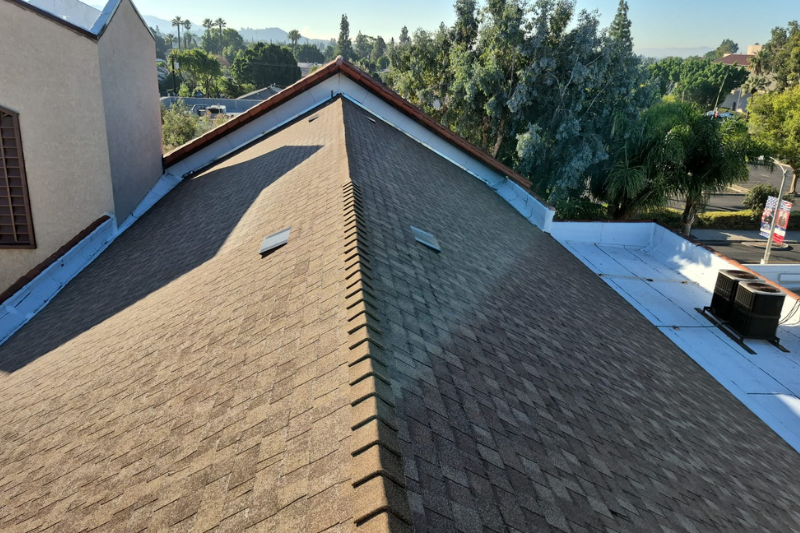
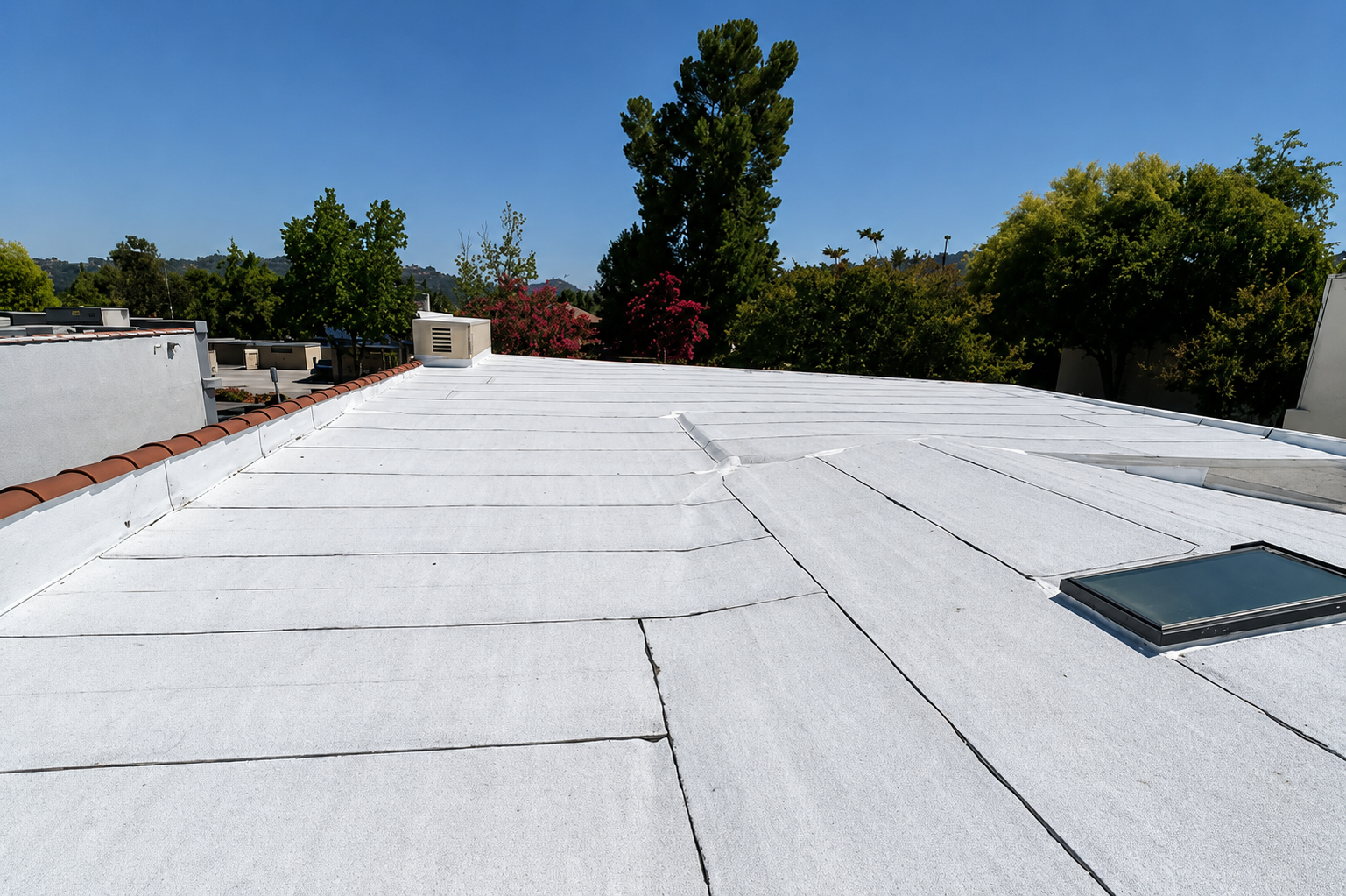
The single most expensive thing a building owner can do with a commercial roof is ignore it until it leaks. A membrane roof that receives scheduled inspection and minor detail repair routinely reaches the top of its service life. The same roof left alone frequently does not.
A maintenance program typically includes:
For property managers, the reporting is often as valuable as the work. A documented roof history turns a surprise capital expense into a planned one, and gives you something defensible when an owner asks why a roof needs replacing.
| System | Typical application | Service life | Considerations |
|---|---|---|---|
| TPO | Warehouse, retail, office, large flat areas | 20–30 years | Reflective white membrane; reduces cooling load; supports Title 24 cool roof compliance |
| EPDM | Simple large roofs with few penetrations | 20–30 years | Durable and proven; dark surface absorbs heat unless coated |
| Modified bitumen / torch-down | Roofs with heavy detailing or foot traffic | 15–25 years | Tough underfoot; excellent around complex penetrations |
| Silicone restoration coating | Sound existing roofs nearing end of surface life | 10–20 years, renewable | Avoids full tear-off; excellent ponding tolerance; only viable over dry substrate |
| Metal | Industrial buildings, standing seam applications | 40+ years | Longest service life; see metal roofing |
Restoration coatings deserve particular attention for commercial owners. If the underlying roof is dry and structurally sound, a silicone restoration system can extend service life substantially at a fraction of the disruption of a tear-off — no exposed deck, minimal tenant impact, and often no need to relocate rooftop equipment. It is only appropriate over a dry assembly, which is why we take moisture readings first.
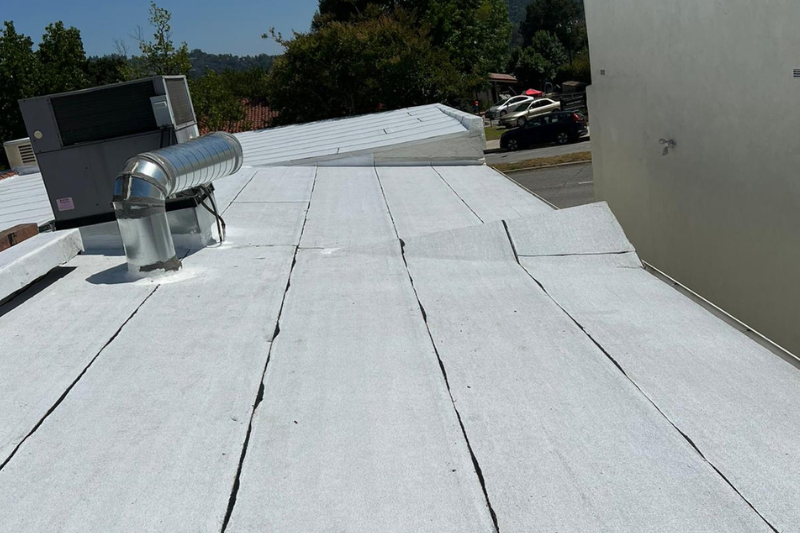
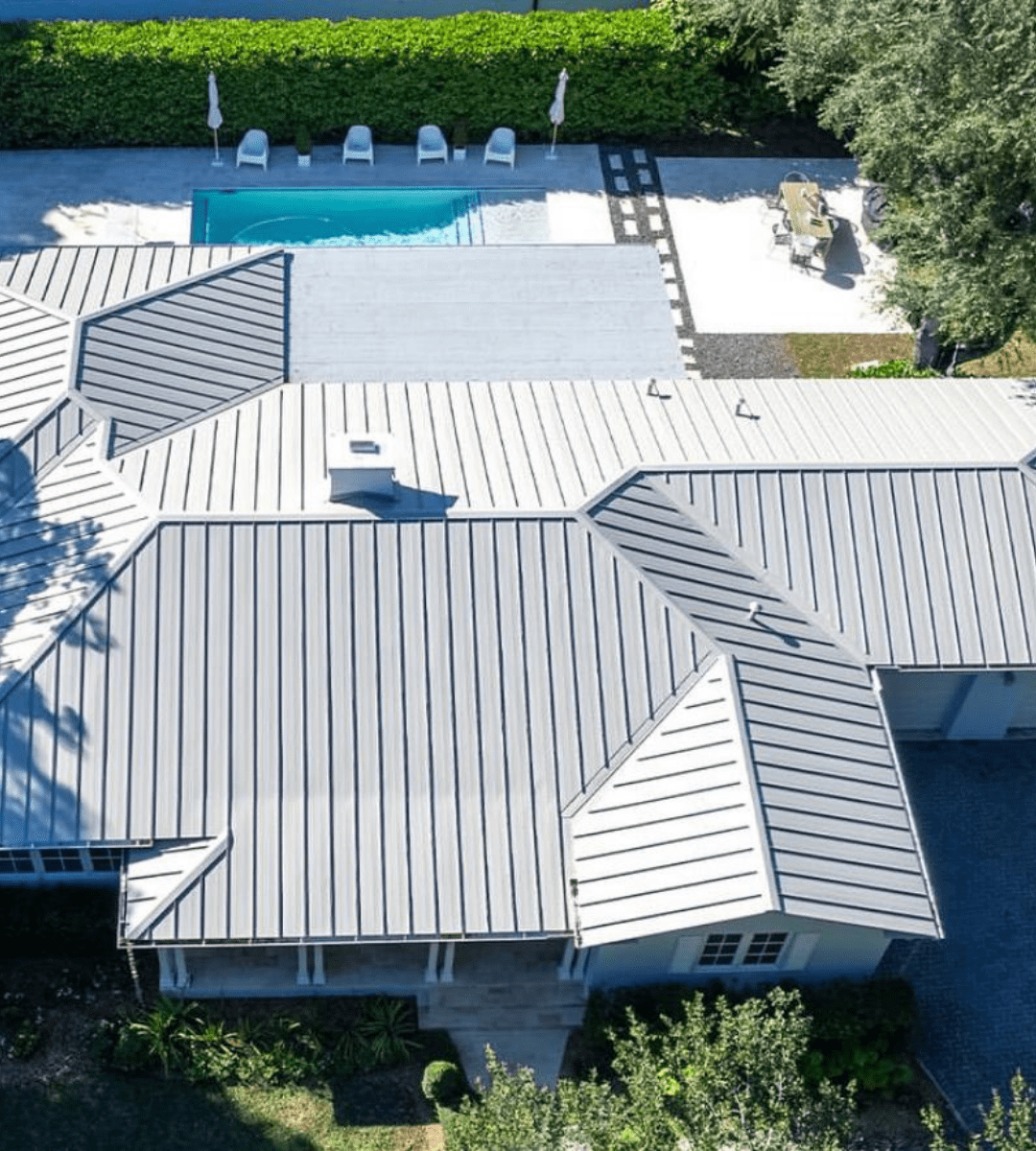
If you manage property, you are not just buying a roof repair. You are buying documentation, predictable scheduling, and a contractor who will not create a tenant complaint.
Commercial roofing is quoted after inspection, because square footage is only one input and rarely the deciding one. What actually drives the number:
We provide a written commercial roofing quote after an on-site inspection, with scope and materials specified. Request a commercial estimate and we will schedule around your operating hours.
Commercial roof repair is quoted after inspection because the cost is driven by the cause, not the square footage. A failed HVAC curb flashing and a section of saturated insulation are very different jobs on the same roof. The main variables are whether the substrate is wet, how many penetrations are involved, roof access, and whether the building must stay operational during the work. We provide a written quote with scope and materials specified.
Usually, yes — if the insulation and deck below are dry. Most commercial roof leaks originate at seams, flashings, or penetrations rather than in the membrane field, and those are repairable. When moisture has spread through the insulation across a significant portion of the roof, repair stops being economical. A moisture survey answers this before you commit either way.
A scheduled service agreement, typically semi-annual, covering roof inspection, drain and scupper clearing, seam and flashing checks, minor repairs, and written condition reporting. The purpose is to catch detail failures while they are still minor and to build a documented roof history for capital planning. Roofs on a maintenance program routinely reach the top of their expected service life; neglected roofs frequently do not.
TPO and EPDM commonly last 20 to 30 years. Modified bitumen typically runs 15 to 25. Metal systems can exceed 40. Silicone restoration coatings add 10 to 20 years to a sound existing roof and can be renewed. Installation quality at flashings and penetrations affects real-world lifespan more than the membrane specification does.
Yes. Most of our commercial work on occupied buildings is scheduled around operating hours, including nights and weekends where the situation requires it. We coordinate access, staging, and tenant notification with your property manager in advance.
Regularly. That work includes written scope documentation, photo records of conditions found and work completed, insurance certificates on request, coordination across multiple buildings, and reporting suitable for board review and reserve planning.
A restoration coating — usually silicone — is a seamless membrane applied over an existing roof that is structurally sound and dry. It extends service life substantially without a tear-off, which means no exposed deck, minimal tenant disruption, and usually no need to relocate rooftop equipment. It is only appropriate over dry substrate, so a moisture survey comes first. Applied over wet insulation, a coating seals the moisture in and makes the eventual repair worse.
Always. A commercial quote should specify the system, the assembly, the scope of tear-off or preparation, flashing and penetration details, warranty terms, and what is excluded. If a quote does not tell you what is going on the roof and how the details will be handled, it is not comparable to one that does.
Our commercial work runs from small retail and mixed-use buildings through to warehouse and industrial roofs, concentrated along the commercial corridors of the San Fernando and San Gabriel Valleys. Foothill Boulevard, the Glendale and Burbank media district properties, and the older Pasadena commercial stock make up a good share of it.
Based in Tujunga and serving Glendale, Burbank and Pasadena alongside Sunland, La Crescenta, Montrose, Altadena, Sherman Oaks and the surrounding communities. For multi-property or portfolio work across several sites, get in touch and we will scope it as one program rather than a series of separate jobs.
We inspect on site, document what we find, and give you a written quote with the system and details specified — scheduled around your operating hours.
California Building Professionals is a family-run, licensed and insured roofing contractor based in Tujunga, serving the San Fernando Valley, San Gabriel Valley and Central Los Angeles. CSLB License #1150891. Roofing since 2014.