
Asphalt shingle is the most common residential roof in America and across much of post-war Los Angeles — Burbank, Glendale, and the Valley tract neighbourhoods are full of it. It is the most economical way to get a durable, well-performing roof, and modern architectural shingles are a substantially better product than the 3-tab shingles most people picture.
California Building Professionals installs, repairs, and replaces shingle roofing across Los Angeles. We hold certified installer relationships with TAMKO, CertainTeed, and Owens Corning — which is what makes the better tiers of manufacturer warranty available on your roof.
How long does a shingle roof last?
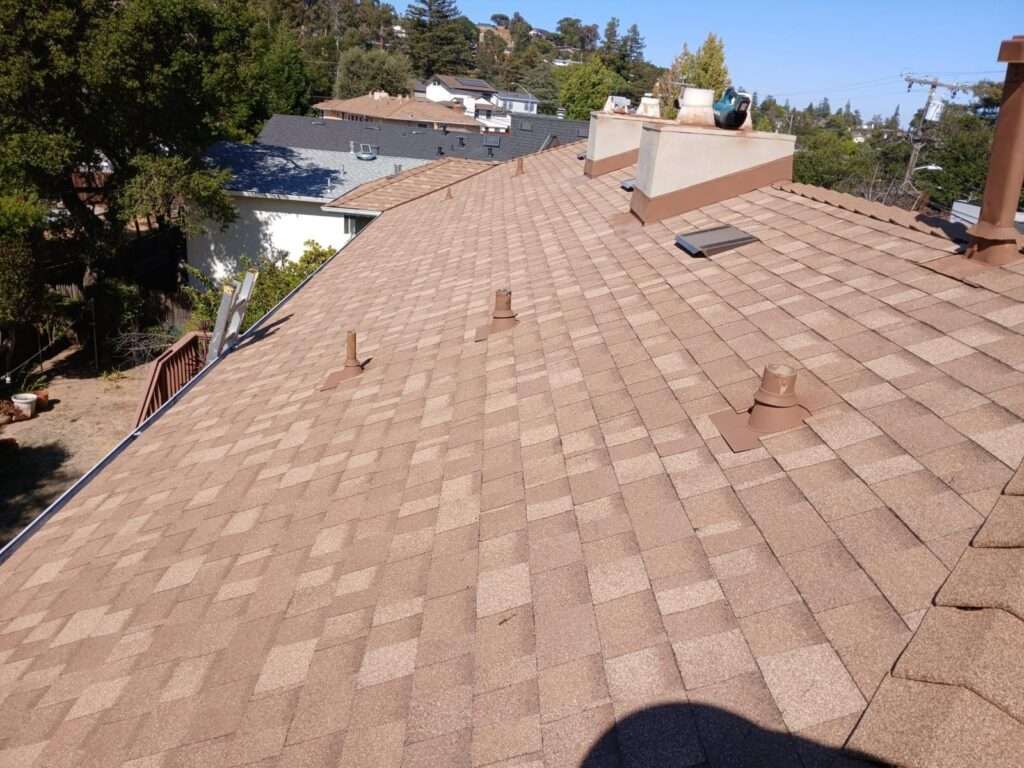
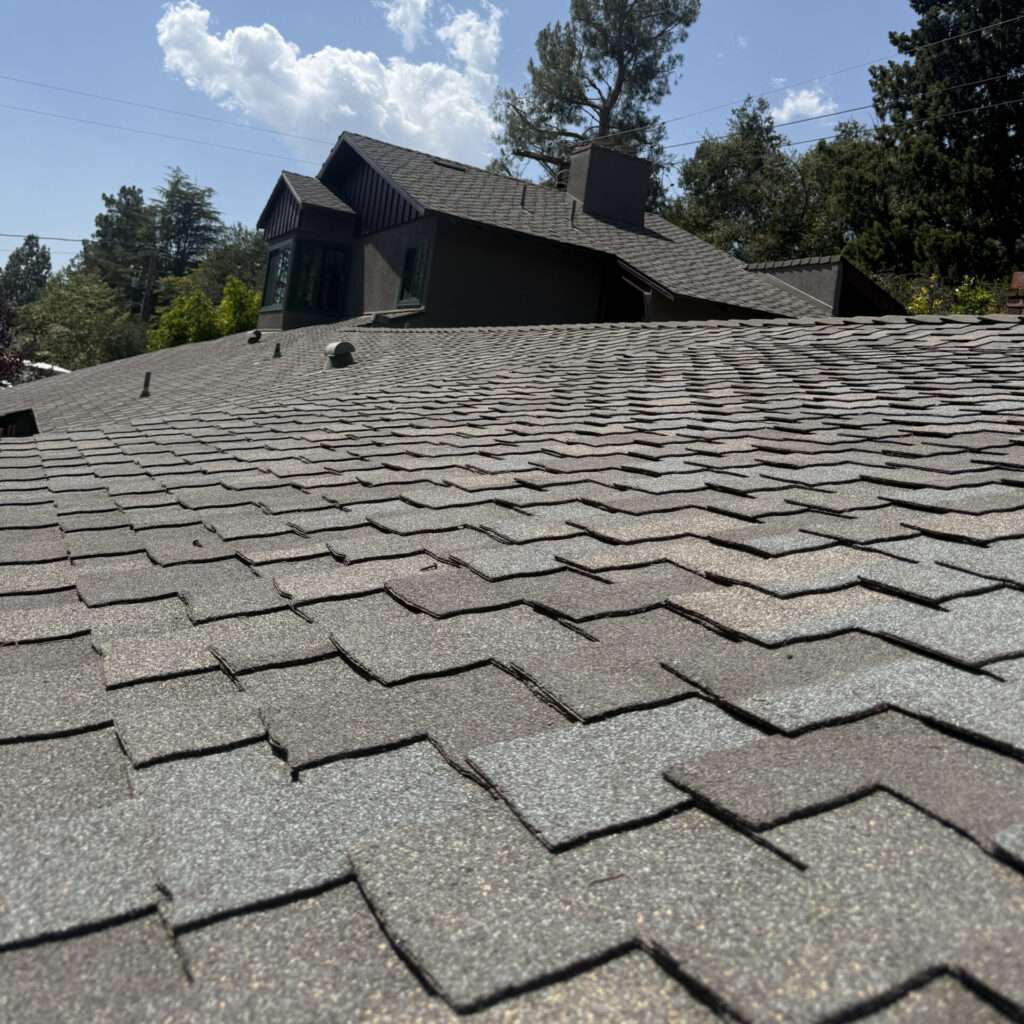
Architectural asphalt shingles commonly last 20 to 30 years, while older 3-tab shingles typically last 15 to 20. In Southern California, sustained UV exposure is the primary aging factor rather than freeze-thaw cycling, and it degrades shingles from the surface down — which is why granule loss in gutters is one of the earliest reliable warning signs. Attic ventilation has a large effect on real-world lifespan, since trapped heat cooks shingles from beneath.
If your mental image of a shingle roof is a flat, uniform surface with visible rectangular tabs, you are picturing 3-tab. Most shingle roofs installed today are architectural — also called dimensional or laminate — and the difference is meaningful.
| Architectural / dimensional | 3-tab | |
|---|---|---|
| Construction | Multiple laminated layers | Single flat layer |
| Typical lifespan | 20–30 years | 15–20 years |
| Wind resistance | Higher — relevant during Santa Ana events | Lower |
| Appearance | Dimensional, shadowed; can mimic wood shake or slate | Flat, uniform, visible tab lines |
| Weight | Heavier, which contributes to wind performance | Lighter |
| Cost | Moderately higher | Lowest-cost option |
| Warranty tiers available | Longer, including enhanced system warranties | Shorter |
For most Los Angeles homes, architectural shingle is the sensible default. The cost difference over a full roof is modest relative to the added lifespan and wind performance, and 3-tab is increasingly a specification for budget-constrained or short-hold properties rather than a genuine competitor.
Shingle lifespan is quoted as a range because the range is real. Two identical roofs installed on the same street on the same day can differ by a decade. The variables:
Granule loss is the clearest early signal. Those granules are the shingle's UV protection — once they are in your gutters in quantity, the asphalt below is exposed and aging accelerates.
Not every shingle problem is a replacement. We repair:
One honest caveat on shingle repair: exact colour matching on a weathered roof is rarely possible. Shingles fade with UV exposure, so new material will not match aged material precisely. On a repair in a visible area, this is worth knowing before rather than after. Where the repair area is large enough that mismatch would be conspicuous, replacing a full plane is sometimes the better outcome.
See roof repair for our full repair process.
When shingle wear is systemic rather than local — widespread granule loss, curling or cupping across planes, leaks appearing in several places, or a roof at the end of its service life — replacement is the better value.
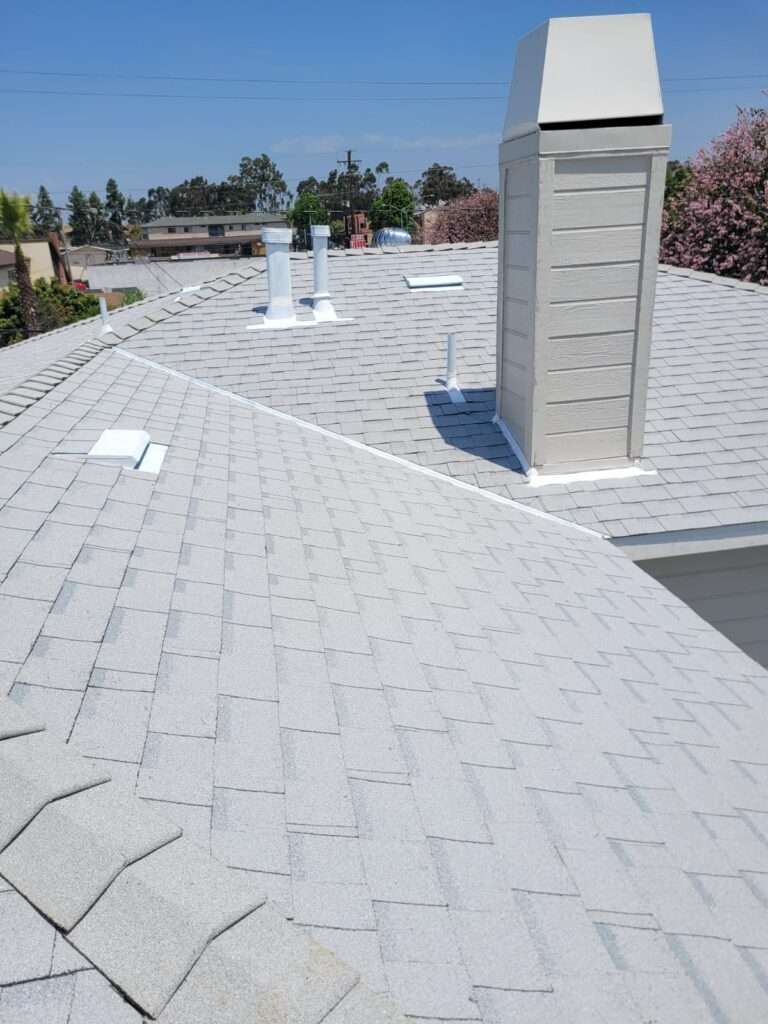
A proper shingle replacement is not just new shingles. It is tear-off to the deck, replacement of any damaged sheathing, new underlayment, new drip edge and valley metal, new flashing at every penetration, and correctly specified ventilation. A quote that does not mention flashing and ventilation is quoting you a surface, not a roof.
We also address ventilation at replacement, because it is the cheapest possible moment to fix it and it directly determines whether the new roof reaches its rated life. See roof replacement for the full process and permit handling.
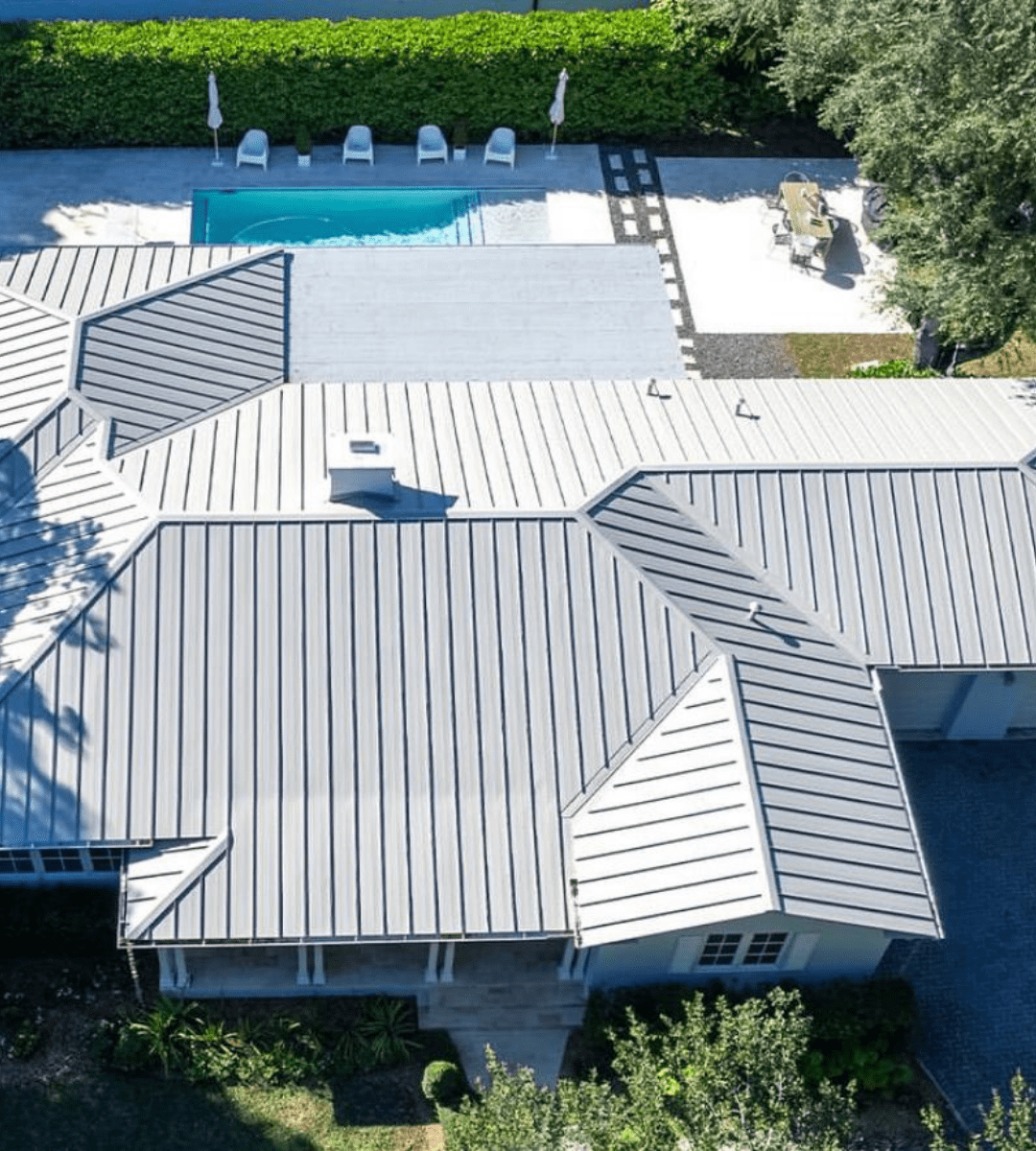
If shingle is not the right material for your home — and in the foothill fire zones it frequently is not — we will tell you. See tile and metal roofing.
Shingle is the most economical pitched roofing option, but the range within it is wider than most people expect:
A written estimate should specify the shingle line, the underlayment, the flashing approach, the ventilation plan, and the warranty tier. If it names only a price and a colour, it is not comparable to one that does.
Architectural asphalt shingles commonly last 20 to 30 years and 3-tab shingles 15 to 20. Southern California avoids freeze-thaw damage, which helps, but sustained UV exposure is hard on asphalt and ages south- and west-facing slopes faster than shaded ones. Attic ventilation has a large effect — an under-ventilated attic cooks shingles from beneath and can cut years off the roof.
Architectural shingles are built from multiple laminated layers, giving them a dimensional appearance, greater weight, better wind resistance, and a typical lifespan of 20 to 30 years. 3-tab shingles are a single flat layer with visible tabs, cost less, and typically last 15 to 20 years. For most Los Angeles homes the cost difference is modest relative to the added lifespan and wind performance.
Rarely exactly. Shingles fade under UV exposure, so new material will not match aged material precisely even when the same product line is still available. On small repairs in less visible areas this is usually acceptable. Where the repair area is large or highly visible, replacing a complete roof plane sometimes gives a better result than a patch that reads as a patch.
California limits the number of roofing layers permitted to remain in place, which frequently means a tear-off is required rather than an overlay. Beyond the code question, an overlay conceals the condition of the decking and underlayment beneath — where the actual waterproofing lives — and adds weight. We generally recommend tear-off.
Sun exposure. South- and west-facing slopes take substantially more UV over the life of the roof than north-facing slopes, and they age accordingly. It is entirely normal for one plane to reach the end of its service life while another still looks serviceable. Whether to replace one plane or the whole roof depends on the overall age and how visible the difference will be.
Significantly, and it is the most commonly overlooked factor. Heat trapped in an under-ventilated attic degrades shingles from underneath and can shorten roof life by years. Proper ventilation requires both intake at the eaves and exhaust near the ridge. Insulation blocking soffit vents is a very common problem and completely invisible from outside. We check ventilation as part of an inspection.
It depends on the specific product and assembly. Class A fire-rated asphalt shingle assemblies exist and are permitted in fire hazard zones. That said, in the foothill Very High Fire Hazard Severity Zones around Los Angeles, many owners choose tile or metal for the additional margin a non-combustible surface provides. We will tell you what your zone requires and what we would put on our own house there.
The granules on an asphalt shingle are its UV protection. Some loss is normal, particularly on a new roof. Finding granules accumulating in gutters in quantity means the protective surface is wearing through and the asphalt beneath is becoming exposed, which accelerates aging. It is one of the earliest reliable signals that a shingle roof is approaching the end of its service life.
Shingle is the dominant roof across the Valley floor — the post-war tract housing through Burbank, Glendale, Studio City, Encino and Sherman Oaks was built with it, and a great deal of it is now at or past the age where replacement is due.
One regional caveat worth raising early: in the foothill communities — Tujunga, Sunland, La Crescenta, La Cañada Flintridge, Montrose and Altadena — fire-rated assembly requirements apply, and while Class A shingle assemblies exist and are permitted, many owners there choose tile or metal for the additional margin. We will tell you what your specific zone requires. Estimate your roof.
Free inspection and a written estimate that specifies the shingle line, underlayment, flashing, ventilation plan, and warranty tier — so you can actually compare it to anyone else's.
California Building Professionals is a family-run, licensed and insured roofing contractor based in Tujunga, serving the San Fernando Valley, San Gabriel Valley and Central Los Angeles. CSLB License #1150891. Roofing since 2014.