
Replacing a roof is one of the larger decisions you will make about your home, and it is one most people make exactly once. That asymmetry — you are doing it for the first time, the contractor has done it a thousand times — is where a lot of homeowners get taken.
California Building Professionals has completed more than 500 roof replacements across Los Angeles since 2014. This page explains what actually drives the cost, what the process looks like start to finish, and how to tell whether you genuinely need a replacement or whether a repair would serve you. We serve Los Angeles, Pasadena, Burbank, Glendale and the surrounding valleys.
How do you know when a roof needs replacing?
A roof generally needs replacing when leaks appear in multiple separate locations, when the decking beneath is wet or soft across a significant area, when the underlayment has failed broadly, or when the roof has reached the end of its expected service life — roughly 15 to 30 years for asphalt shingle and 40 or more for tile and metal. Widespread granule loss, curling, or repeated seasonal repairs are also strong signals. A single localized leak on an otherwise sound roof usually calls for repair, not replacement.
Some of these you can check yourself from the ground or the attic. Others need a roofer on the roof.
On a tile roof, the tile is not the roof. The underlayment beneath it is what keeps water out, and it typically lasts 20 to 30 years while the tile itself lasts 50 or more. A tile roof can look flawless from the street and be entirely past its functional life. If your tile roof is over two decades old and you have started seeing leaks, the tile is almost certainly fine — the layer beneath it is not. That situation usually calls for a tile reset rather than a full replacement, which is a substantially different scope. See tile roofing.
We would rather talk you out of a replacement you do not need than sell you one. A roof within its service life with a single localized failure is a repair, full stop.
Replacement becomes the better value when the failures are systemic rather than local: leaks in several places, decking wet across a meaningful area, underlayment gone throughout, or a pattern of paying for repairs every season. At that point repair money stops buying you years and starts buying you months.
If you are not sure which side of that line you are on, that is exactly what a roof inspection is for. If it turns out to be a repair, see roof repair.
We inspect the roof surface, check the attic and underside where accessible, and assess the decking condition. You get photographs of anything you cannot see from the ground. This is where we confirm whether replacement is genuinely warranted.
A written estimate with the system specified — not just a number. We walk you through material options and what each means for lifespan, appearance, weight, and cost. See shingle, tile, metal, and flat roofing.
Roof replacement requires a permit in Los Angeles. We pull it. California also limits how many roofing layers may remain in place, which frequently means a full tear-off is required rather than an overlay, and Title 24 cool roof requirements may apply to the new assembly depending on the roof type and area. We handle all of it — you should not have to learn the building code to get a roof.
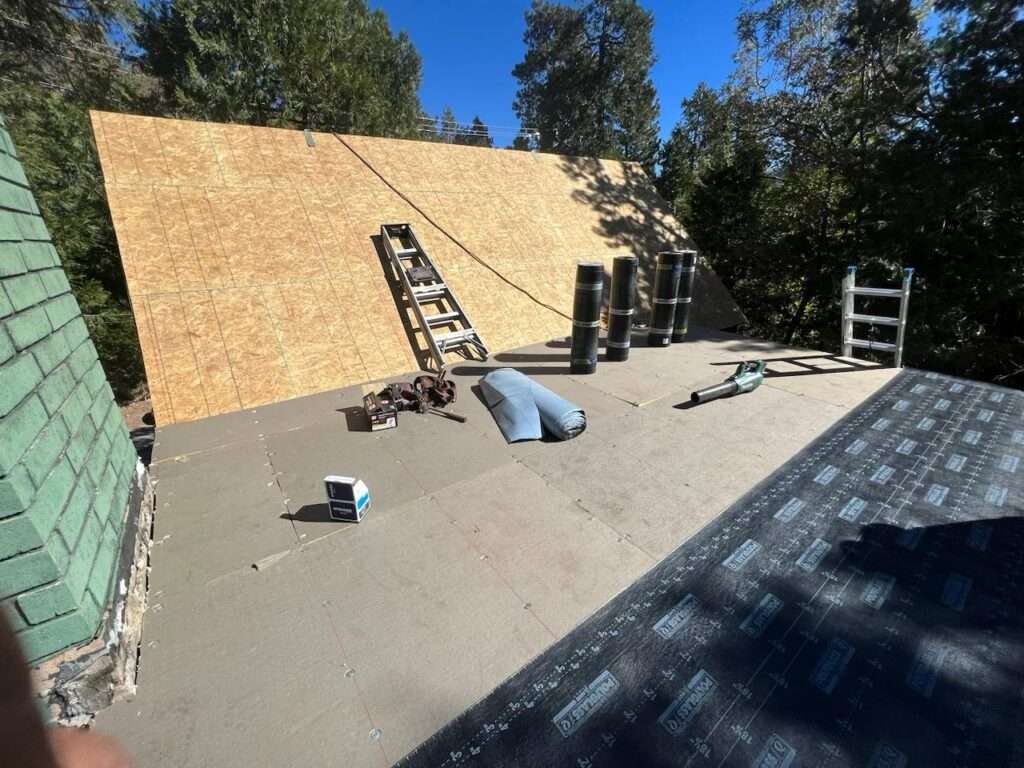
Existing material comes off down to the deck. This is the step that reveals what the roof has actually been hiding — and it is why an honest estimate includes a stated approach to decking replacement rather than pretending the sheathing will all be perfect.
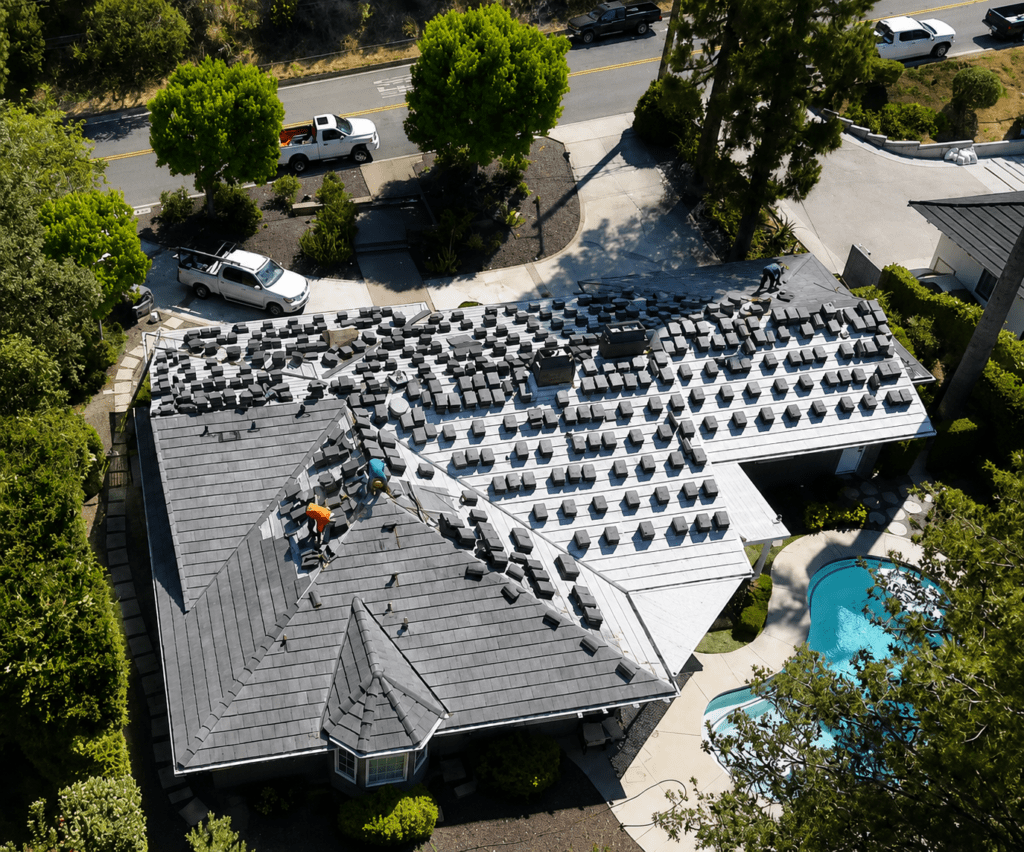
Any damaged or rotted sheathing is replaced. New underlayment goes down, along with drip edge, valley metal, and flashing at every penetration and transition. This layer is the actual waterproofing. The visible roofing above it is the wear surface protecting it.
The new system is installed to manufacturer specification — which matters, because manufacturer system warranties are contingent on the assembly being built as specified by a certified installer.
Magnetic sweep for nails, site cleared, and a walkthrough where we show you the completed work, the flashing details, and your warranty documentation.
| Material | Typical service life | Weight | Best suited to |
|---|---|---|---|
| Architectural asphalt shingle | 20–30 years | Light | Most residential pitched roofs; broadest colour and price range |
| Concrete or clay tile | 50+ years (underlayment 20–30) | Heavy — framing must support it | Spanish, Mission, and Mediterranean homes; excellent heat and fire performance |
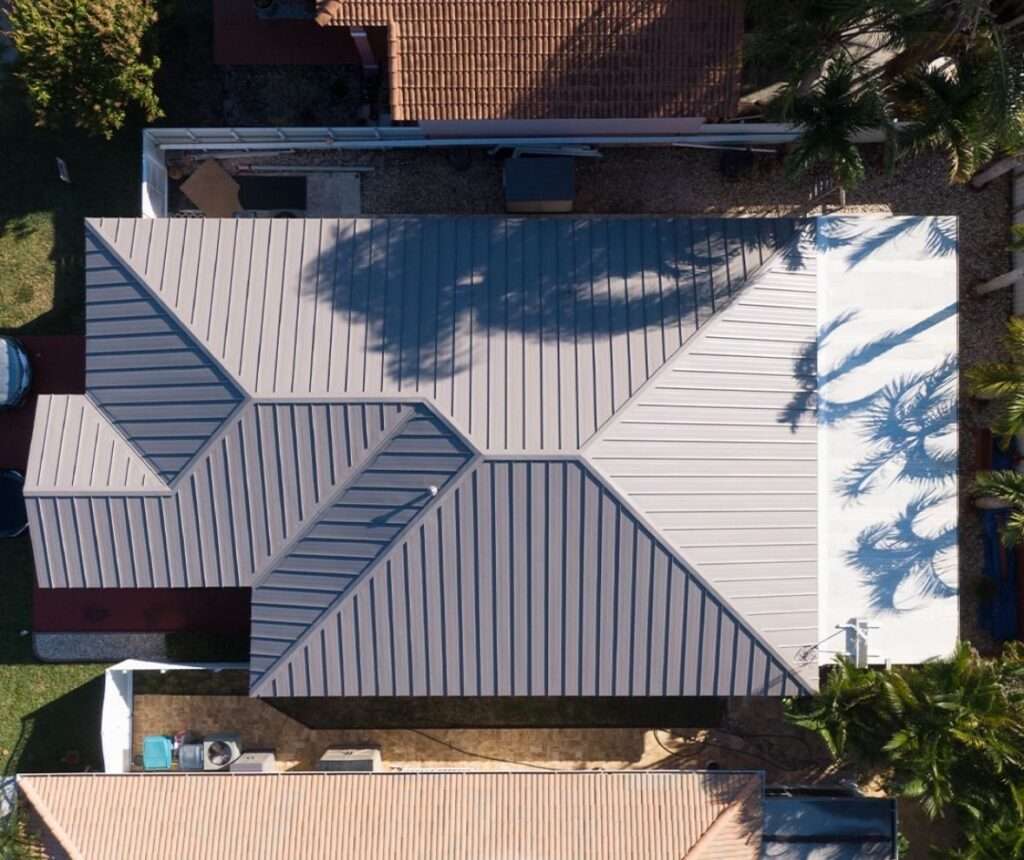
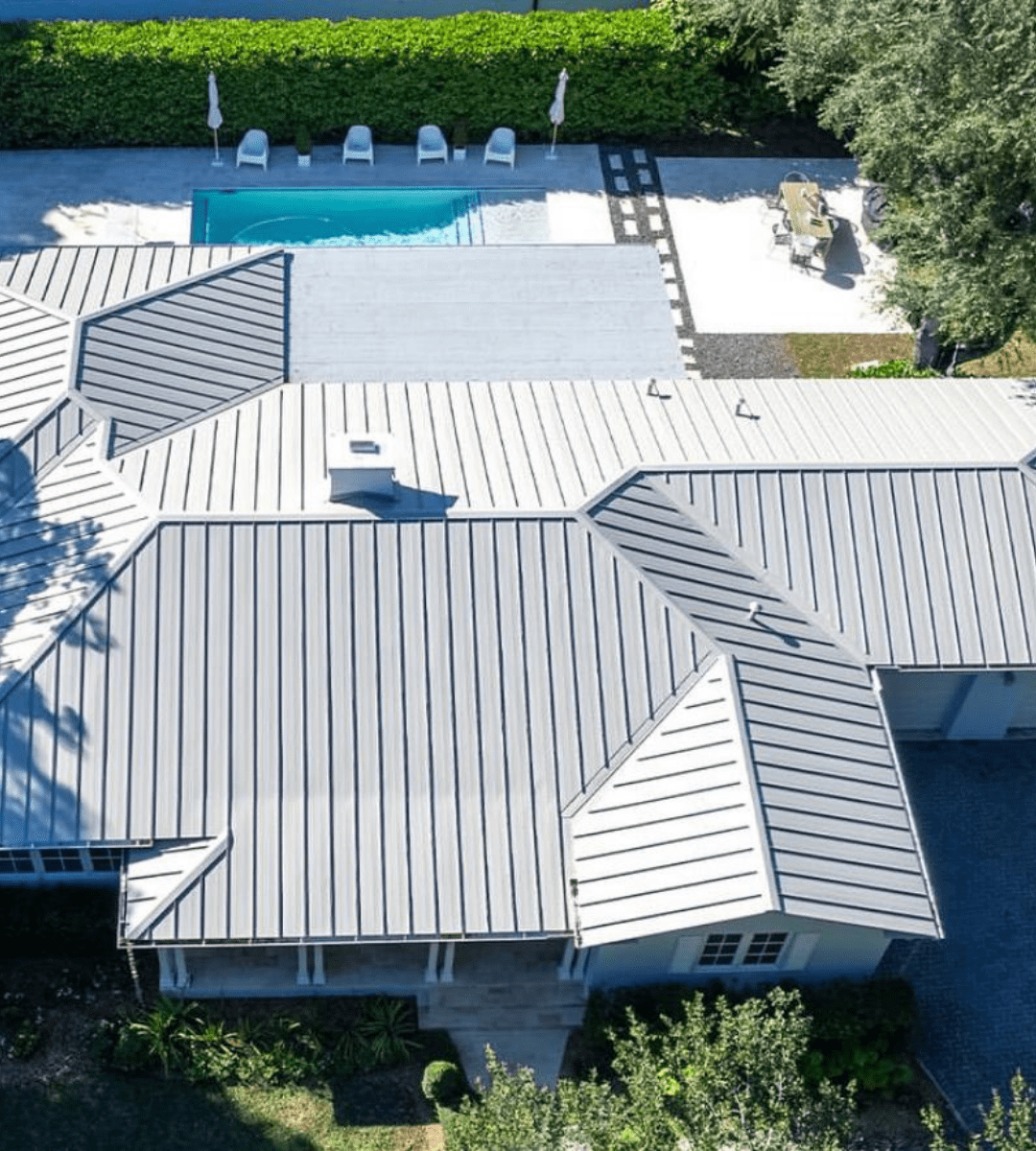
| Standing seam metal | 40+ years | Light | Longevity, fire resistance, modern and contemporary homes |
| TPO or torch-down | 15–30 years | Light | Flat and low-slope sections, ADUs, mid-century homes |
Two Los Angeles-specific considerations that should influence the choice:
If your home is in the foothills — Tujunga, Sunland, La Crescenta, La Cañada Flintridge, Montrose, Altadena, Sierra Madre, or the upper edges of Glendale and Pasadena — this conversation should happen before material selection, not after, because it narrows the options.
California's Wildland-Urban Interface building standards, commonly referred to as Chapter 7A, apply in designated Fire Hazard Severity Zones and are typically triggered by replacing a significant portion of an existing roof rather than only by new construction. In practical terms that generally means:
Zone maps have been updated in recent years and individual jurisdictions apply their own amendments, so we confirm the current requirement for your specific parcel as part of the estimate. You can also check your designation yourself through CAL FIRE's Fire Hazard Severity Zone maps.
The practical effect on a replacement is that the vent and eave work should be scoped in from the start. It is a modest fraction of the project cost and it is disproportionately valuable. See fire resistant roofing.
A roof replacement in Los Angeles is permitted work. If a contractor offers to skip the permit to save you money, that is a signal about everything else they will do on your roof — and it becomes your problem when you sell the house and the work shows up as unpermitted.
Roof replacement is quoted after inspection. Square footage is the starting point, not the answer — two houses of identical size routinely differ substantially. What moves the number:
Financing is available. To sanity-check a range before you talk to anyone, try our roofing calculator — then get a written estimate based on an actual inspection of your actual roof.
Roof replacement cost depends on roof size and complexity, material, pitch, the number of existing layers to remove, and the condition of the decking underneath — which is not known until tear-off. Tile, metal, asphalt shingle, and membrane systems occupy very different price bands. A written estimate should specify the system and state how any required decking replacement will be priced. Any quote given without an inspection is a guess.
Most residential roof replacements take between two and five working days depending on size, material, and complexity. Tile takes longer than shingle because of the removal and relay involved. Weather, permit inspection scheduling, and the discovery of damaged decking during tear-off can extend the timeline. We give you a realistic estimate up front.
Yes. Roof replacement is permitted work in Los Angeles, and we pull the permit as part of the job. California also limits how many roofing layers may remain in place, which frequently means a full tear-off is required rather than an overlay, and Title 24 cool roof requirements may apply to the new assembly. A contractor offering to skip the permit is a warning sign — unpermitted work becomes a problem when you sell.
Sometimes, but often not. California limits the number of roofing layers permitted to remain in place, so if your roof already has more than one layer a tear-off is required. Even where an overlay is legal, it hides the condition of the decking and underlayment underneath — which is where the actual waterproofing lives — and it adds weight. We generally recommend tear-off, and we will explain why for your specific roof.
Architectural asphalt shingle commonly lasts 20 to 30 years, concrete and clay tile 50 or more with underlayment replacement at 20 to 30, standing seam metal 40 or more, and flat membrane systems 15 to 30 depending on the material. Southern California’s mild winters help, but sustained UV exposure is hard on asphalt in particular. Ventilation and installation quality affect real-world lifespan as much as the material grade.
Yes, financing is available. A roof is usually an unplanned expense, and spreading it is often the difference between doing the job properly and doing a patch that has to be redone. We can discuss options during the estimate.
There are generally two separate warranties. Workmanship covers the installation — ours is 30 years. The manufacturer warranty covers the materials, and the better tiers of manufacturer system warranty are only available when the assembly is installed to specification by a certified installer. We hold certified relationships with TAMKO, CertainTeed, Owens Corning, Englert and MCA. Ask any contractor which specific warranty tier their quote qualifies for.
If your roof is within roughly five to seven years of the end of its service life, yes — replace first. Removing and reinstalling a solar array to replace the roof underneath is an avoidable expense, and most solar systems are designed to outlast an aging roof. We will give you a straight assessment of remaining roof life so you can sequence the two properly.
Generally yes. California’s Wildland-Urban Interface building standards apply in designated Fire Hazard Severity Zones and are typically triggered by replacing a significant portion of an existing roof, not only by new construction. That usually means a Class A rated assembly and listed ember-resistant venting. Zone maps have been updated recently and local jurisdictions apply their own amendments, so the requirement for your specific parcel should be confirmed before material selection.
The roofs we replace differ sharply by neighbourhood, and it shapes how a project runs. Spanish and Mediterranean homes through Pasadena, San Marino and La Cañada Flintridge are tile, and the right answer there is frequently an underlayment reset rather than a replacement. The post-war tracts across Burbank and Glendale are shingle, and are largely at the age where full replacement is genuinely due. Mid-century homes in Studio City and Sherman Oaks bring low-slope sections into the scope.
In the foothill communities — Tujunga, Sunland, La Crescenta, La Cañada Flintridge, Montrose and Altadena — fire-rated assembly requirements narrow the material options before anything else is decided, so that conversation happens first. See all areas served.
We will tell you honestly whether you need a replacement, a reset, or just a repair — including when the answer costs us the larger job. Free inspection, written estimate, permits handled.
California Building Professionals is a family-run, licensed and insured roofing contractor based in Tujunga, serving the San Fernando Valley, San Gabriel Valley and Central Los Angeles. CSLB License #1150891. Roofing since 2014.