
Most roof problems are cheap when they are found early and expensive when they are found by water on your ceiling. The gap between those two moments is usually years — years in which an inspection would have cost you nothing.
California Building Professionals provides free roof inspections across Los Angeles. You get a real assessment with photographs of what we found, an honest opinion about remaining roof life, and a written estimate only if work is actually needed. If your roof is fine, we will tell you it is fine.
What does a roof inspection include?
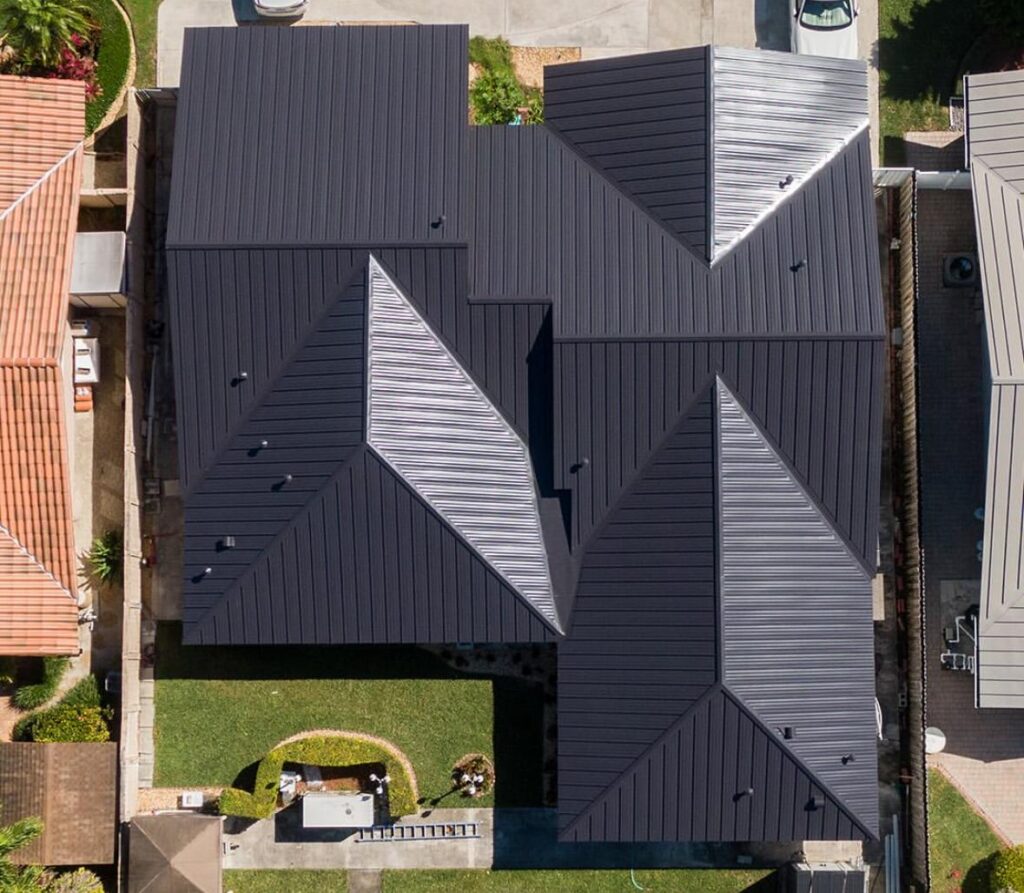
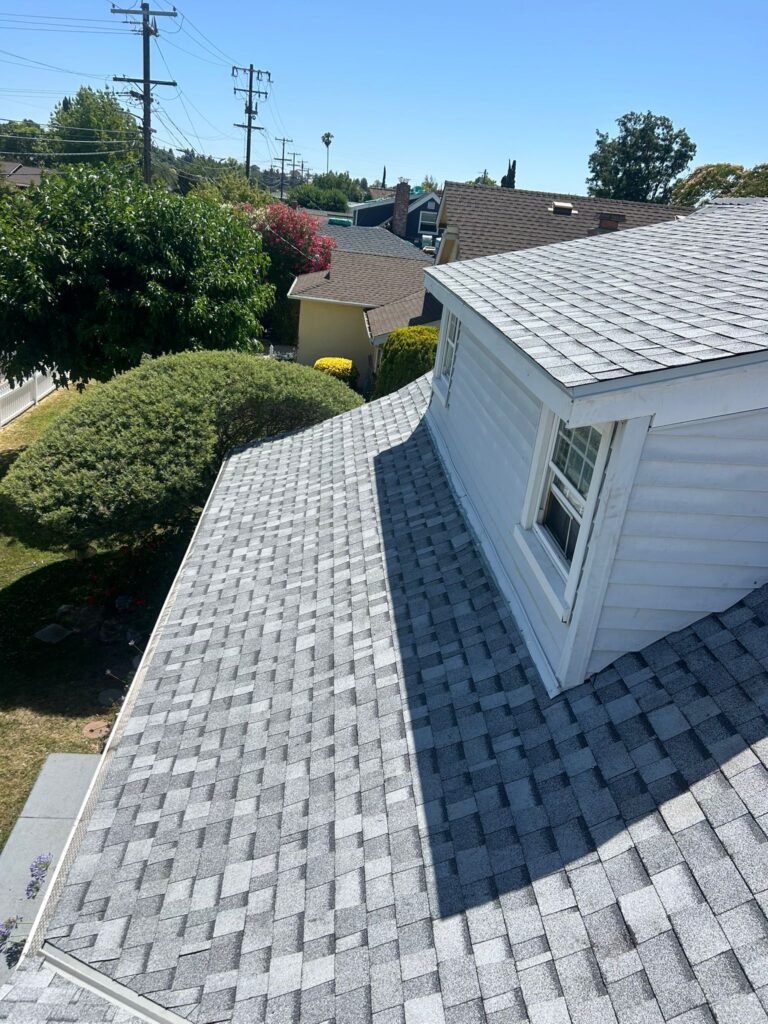
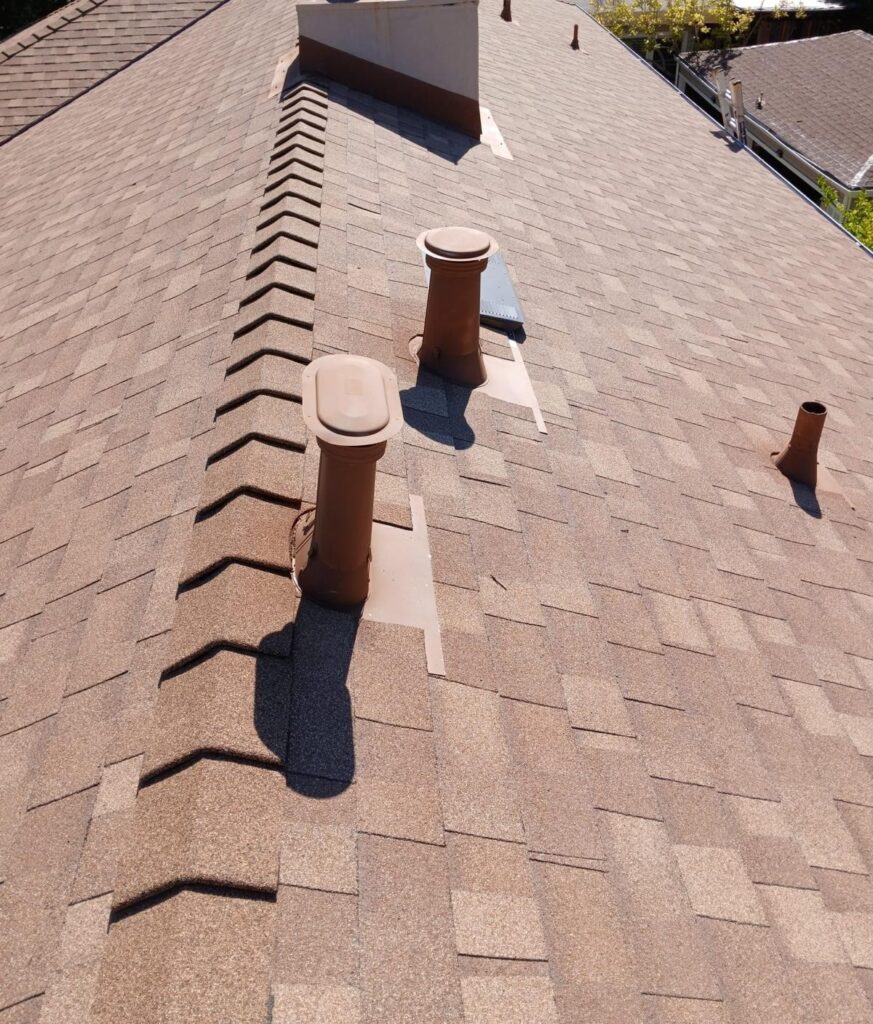
A proper roof inspection covers the roof surface and material condition, all flashing at chimneys, walls, valleys and skylights, every penetration, gutters and drainage, the roof edge and fascia, and — where accessible — the attic underside for signs of leaks, wet sheathing and inadequate ventilation. It should produce written findings with photographs of anything not visible from the ground, plus an assessment of remaining service life. An inspection conducted only from a ladder at the edge of the roof is not a roof inspection.
| Situation | Why it matters |
|---|---|
| Before the rain season (early autumn) | The best time of year to inspect in Los Angeles. Problems that developed invisibly over the dry months get found before the first storm tests them |
| After Santa Ana winds | Wind lifts shingles and displaces tile without any visible sign from the ground. The roof looks intact and leaks at the first rain |
| Before buying a home | A general home inspection usually includes a limited roof review, not a roofer's assessment. Roof condition is a significant negotiating item |
| Before selling | Knowing the roof's condition before a buyer's inspector finds it puts you in a far better position |
| After solar or HVAC work | Any trade on your roof creates penetrations and foot traffic. Leaks appearing after another contractor's visit is a pattern we see regularly |
| Every 2–3 years routinely | Or annually once a roof passes roughly fifteen years |
| When you see a stain | Even a small, dry one. Water reaching the ceiling has been in the assembly for a while |
If you are buying a home in Los Angeles, the roof is one of the largest single line items you may inherit — and a standard home inspection generally does not tell you what you need to know about it. Home inspectors are generalists, frequently assess roofs from a ladder or from the ground, and are not qualified to evaluate remaining underlayment life or the adequacy of a flashing detail.
This matters enormously on tile roofs, which are everywhere in Pasadena, San Marino, La Cañada Flintridge and Glendale. A tile roof can look immaculate and be entirely at the end of its functional life, because the underlayment beneath — which lasts 20 to 30 years against the tile's 50-plus — is what actually keeps water out. A buyer who sees beautiful tile and assumes a sound roof can be surprised by a major expense within a year or two. See tile roofing.
We provide inspections with written findings suitable for use in negotiation.
After a significant wind event or storm, the useful question is not "is the roof leaking" — it is "what got damaged that has not started leaking yet."
A post-storm inspection documents what was damaged and when, which is exactly what an insurance claim requires. Insurers generally treat sudden accidental damage differently from gradual wear, and the practical difference between those two categories frequently comes down to whether damage was documented promptly. We photograph conditions as found and describe the likely cause in writing. See emergency roof repair if there is active water entry now.
For property managers and building owners, inspection is less about a single event and more about building a documented roof history. That record turns a surprise capital expense into a planned one and gives you something defensible when an owner or board asks why a roof needs replacing.
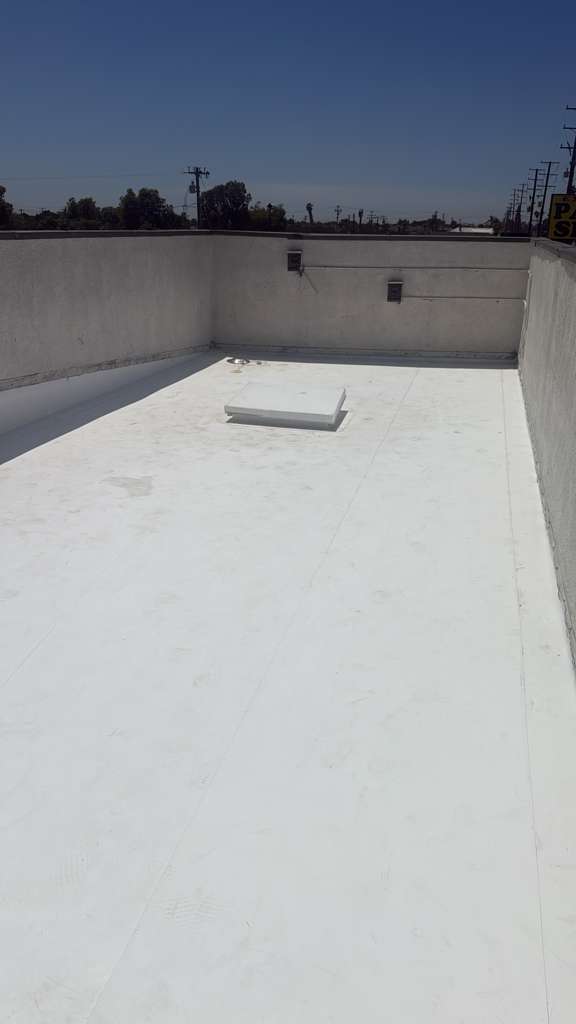
Commercial inspections cover membrane and seam condition, all flashings and terminations, HVAC curbs and equipment penetrations, drains, scuppers and overflow provisions, ponding, and general roof access safety. Scheduled semi-annual inspection — before and after the rain season — is the standard interval. See commercial roofing.
A fair question, since some free inspections are a sales call with a ladder.
Ours is free because a proportion of the roofs we inspect need work, and we would rather earn that work by showing you what is actually wrong than by telling you what is wrong. That only functions if the inspection is honest — including when the honest answer is that your roof is fine and you should call us in three years.
Our standard roof inspection is free — for homeowners, buyers, and commercial property owners across our service area. That includes the roof walk, attic check where accessible, written findings, and photographs. Some situations do carry a cost, and we tell you before rather than after:
If a paid scope applies to your situation, we will tell you what it costs and why before we schedule anything.
Our standard roof inspection is free, including the roof walk, attic check where accessible, written findings and photographs. Costs apply only in specific situations — formal written reports for real estate transactions or insurance proceedings, infrared moisture scanning on large commercial roofs, or roofs requiring specialised access equipment. We tell you before scheduling if a paid scope applies.
A proper inspection covers roof surface and material condition, flashing at chimneys, walls, valleys and skylights, all penetrations, gutters and drainage, roof edge and fascia, and the attic underside where accessible for signs of leaks, wet sheathing and inadequate ventilation. You should receive written findings with photographs of anything not visible from the ground, plus an assessment of remaining service life.
Every two to three years for a roof in good condition, and annually once it passes roughly fifteen years. Beyond that schedule, inspect after any significant wind event, before the rain season begins in autumn, before buying or selling a property, and after any other trade has worked on the roof.
Yes, particularly in Los Angeles. A general home inspection usually includes only a limited roof review, often from a ladder rather than on the roof, and home inspectors are not qualified to assess remaining underlayment life or flashing adequacy. This matters most on tile roofs, which can look immaculate while the underlayment beneath has reached the end of its life — a substantial expense that will not be visible to a generalist.
Yes. We photograph conditions as found, describe the damage and its likely cause in writing, and provide an itemised estimate for repair — which is what most claims require. We are roofers rather than adjusters and cannot tell you what your policy covers, but prompt documentation matters because insurers generally treat sudden accidental damage differently from gradual wear.
Not for the roof itself, though it helps if we need attic access, and most people prefer to be there so we can walk through the findings in person. If you cannot be present, we send written findings with photographs and follow up by phone.
Yes, and it happens regularly. A free inspection is only worth anything if the answer can be no. If your roof has years left in it, we will say so and tell you roughly when to have it looked at again. We are also happy to give you a second opinion on another contractor’s quote.
Most residential inspections take 45 minutes to an hour and a half depending on roof size, complexity and material, plus attic access. Larger commercial roofs take longer, particularly where moisture scanning or detailed documentation is involved.
The right time to inspect depends a great deal on where you are. In the foothill communities — Tujunga, Sunland, La Crescenta, La Cañada Flintridge, Montrose and Altadena — a post-Santa Ana inspection is the one that matters most, because wind displaces tile and lifts shingles without leaving anything visible from the ground. Across the Valley floor in Burbank, Glendale and Studio City, the pre-rain inspection in early autumn tends to be the higher-value one.
If you are buying in Pasadena, San Marino, Sierra Madre or La Cañada Flintridge, get the roof looked at by a roofer rather than relying on the general home inspection — the tile roofs in those neighbourhoods routinely look immaculate while the underlayment beneath them is finished. Book a free inspection.
A real inspection with photographs and an honest assessment — including when the answer is that your roof is fine. No obligation and no pressure.
California Building Professionals is a family-run, licensed and insured roofing contractor based in Tujunga, serving the San Fernando Valley, San Gabriel Valley and Central Los Angeles. CSLB License #1150891. Roofing since 2014.