
Tile is the roof of Southern California. Spanish Colonial, Mission Revival, and Mediterranean homes across Pasadena, San Marino, La Cañada Flintridge, and Glendale were built with it, and a well-maintained tile roof will outlive most of the people who own the house.
California Building Professionals has completed more than 100 tile roofs since 2014 — repairs, underlayment replacement, resets, and full installations in both clay and concrete tile. We are MCA-certified. Most importantly, we will tell you when your tile is fine and the problem is underneath it, which is the single most common misunderstanding in tile roofing.
How long does a tile roof last?
Clay and concrete roof tiles commonly last 50 years or more, and often outlast the building. However, the underlayment beneath the tile — which is the layer that actually keeps water out — typically lasts only 20 to 30 years. This means a tile roof usually needs its underlayment replaced at least once in its life while the original tile is lifted, stored, and relaid. That process is called a tile reset, and it costs substantially less than a full tile roof replacement.
This is the single most important thing to understand about tile roofing, and it is the reason so many homeowners are told they need a new roof when they do not.
Roof tiles are a wear surface. They shed the bulk of the water, take the UV, and protect what is underneath. But tile roofs are not watertight in themselves — water gets past tile routinely, particularly in wind-driven rain. The layer that actually keeps your house dry is the underlayment beneath: the felt or synthetic membrane laid across the decking before the tile went on.
Tile lasts 50-plus years. Underlayment lasts 20 to 30. That mismatch is structural to how tile roofs work, and it means every tile roof will need its underlayment replaced at least once while the tile itself remains perfectly serviceable.
So when a twenty-five-year-old tile roof starts leaking and it looks immaculate from the street — that is not a contradiction. That is exactly what a tile roof at the end of its underlayment life looks like.
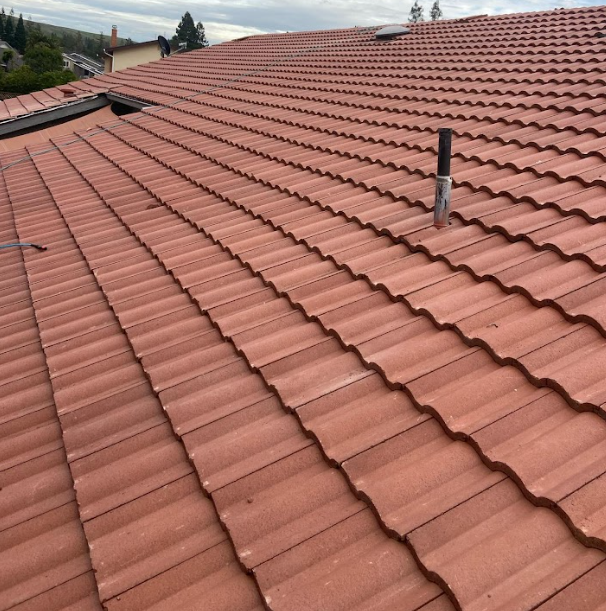
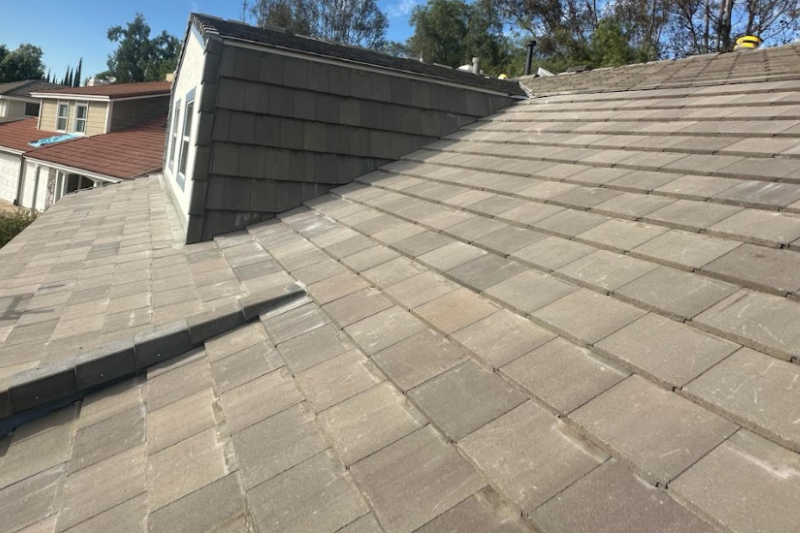
A tile reset — sometimes called a lift-and-relay — means carefully removing the existing tile, stacking it on site, replacing the underlayment and any damaged decking or flashing, and then relaying your original tile. You keep the roof you have. You replace the part that failed.
| Tile reset | Full tile replacement | |
|---|---|---|
| What happens | Original tile lifted, underlayment replaced, same tile relaid | Tile and underlayment both replaced with new material |
| When it's right | Tile is sound; underlayment has reached end of life | Tile is broadly cracked, spalling, delaminating, or you want a different look |
| Cost | Substantially less — you are not buying new tile | Higher — new tile is a significant portion of the material cost |
| Appearance | Unchanged — often desirable on historic homes | New; colour matching to neighbouring homes may matter |
| Breakage | Some tile breaks during removal; expect a replacement allowance | Not applicable |
On older homes with discontinued tile profiles, a reset is frequently the only way to keep the roof looking right — the original tile simply is not manufactured any more. In historic districts and architecturally consistent neighbourhoods like San Marino and parts of Pasadena, that matters a great deal.
We will tell you which one your roof needs, and we will show you the underlayment condition so you can see it for yourself.
| Clay tile | Concrete tile | |
|---|---|---|
| Colour | Colour is inherent to the fired clay and does not fade | Pigment can fade over decades, particularly on darker colours |
| Weight | Generally lighter than concrete | Heavier — framing capacity matters more |
| Cost | Higher material cost | More economical |
| Profiles | Traditional barrel/mission profiles; strong period authenticity | Wide range including flat, low-profile, and tile that imitates slate or shake |
| Longevity | 50–100 years; extremely durable | 50+ years |
| Best for | Spanish Colonial, Mission Revival, historic accuracy | Broad range of styles; value-driven projects |
Both are Class A fire-rated assemblies when properly installed, which matters throughout the foothill communities. Both handle Southern California heat extremely well — the air gap under tile creates a ventilated layer that measurably reduces heat transfer into the attic compared with a directly-applied roof surface.
Weight is the constraint to check first. Tile is heavy. If your home was framed for shingle, switching to tile may require structural reinforcement. We assess this before quoting, not after.
A large share of our tile work sits in or beside a Very High Fire Hazard Severity Zone — La Cañada Flintridge, La Crescenta, Montrose, Altadena, Sierra Madre, and the foothill edges of Glendale and Pasadena. Tile is an excellent choice there, and it is one of the reasons the region was built with it.
Two things worth knowing, because they get missed:
This is also relevant to resets. If you are lifting tile to replace failed underlayment, that is the moment to bring the assembly up to a current Class A specification and close the tile ends properly — the tile is already off. See fire resistant roofing.
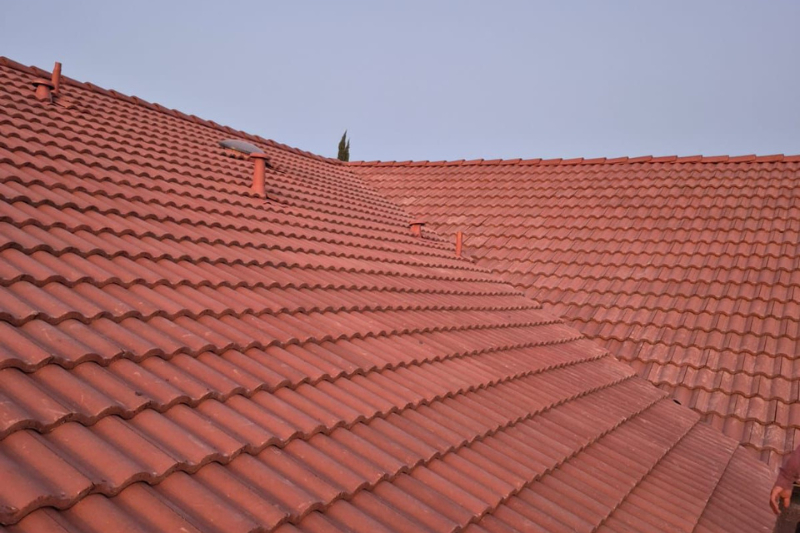
Not everything on a tile roof is a reset. Common tile repairs we handle:
If you have had solar installed, or any trade on your roof, and leaks started afterwards — that is worth a look. It is a pattern we see regularly.
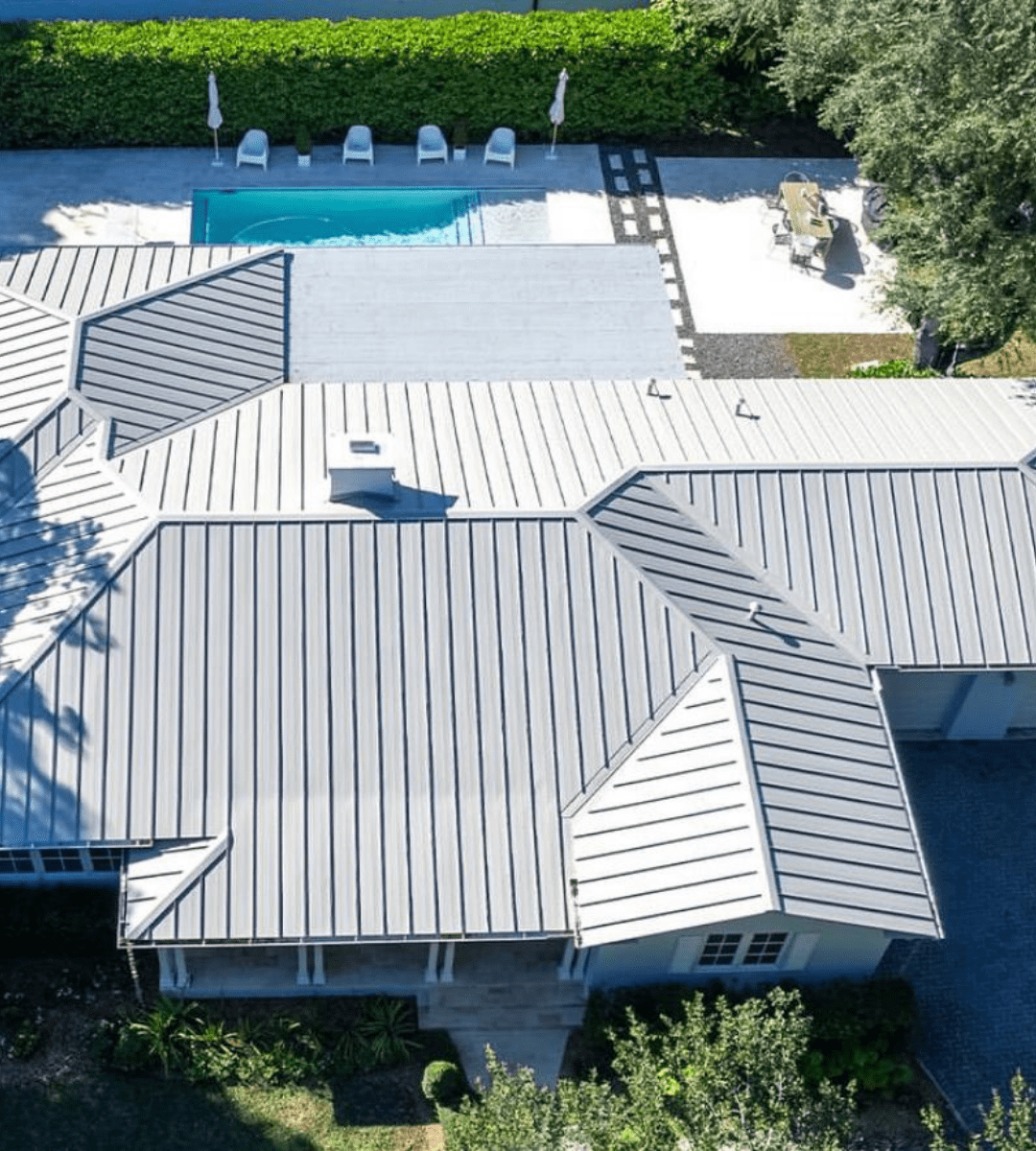
Tile rewards being done properly and punishes shortcuts. Walking a tile roof incorrectly cracks tile. Relaying without addressing flashing means you have paid for a reset and kept the leak. Getting the underlayment lap wrong on a low-pitch tile roof produces failure in the first serious rain.
Tile work is quoted after inspection. The variables that matter most:
We will show you the underlayment condition and explain whether you are looking at a repair, a reset, or a replacement — before you are asked to decide anything.
Clay and concrete roof tiles commonly last 50 years or more and frequently outlast the building. The underlayment beneath the tile, which is what actually keeps water out, typically lasts 20 to 30 years. This means a tile roof normally needs its underlayment replaced at least once during its life while the original tile is lifted and relaid — a process called a tile reset.
A tile reset, also called a lift-and-relay, involves carefully removing the existing roof tiles, stacking them on site, replacing the underlayment along with any damaged decking and flashing, and then relaying the original tile. It costs substantially less than a full tile replacement because you are not buying new tile, and it preserves the roof’s original appearance — which matters on historic homes and where the tile profile has been discontinued.
Because the tiles are not what keeps water out. Tile is a wear surface that sheds most of the water and takes the UV; the underlayment beneath it is the actual waterproofing layer. Water routinely gets past tile in wind-driven rain and is meant to be caught by the underlayment. When that membrane reaches the end of its life at 20 to 30 years, the roof leaks while the tile above it still looks perfect.
Neither is universally better. Clay holds its colour permanently because the colour is inherent to the fired material, is generally lighter, and offers the most authentic profiles for Spanish and Mission style homes — at a higher material cost. Concrete is more economical, comes in a wider range of profiles including flat and slate-look, and is heavier, which makes framing capacity more important. Both are Class A fire-rated when properly installed.
Yes. Individual cracked or slipped tiles can be replaced, flashing can be repaired, and localized underlayment failures can often be addressed in section. Full removal is only necessary when the underlayment has reached the end of its life across the roof — and even then, the original tile is usually relaid rather than replaced.
If the home was originally framed for tile, no. If you are converting from a lighter material such as asphalt shingle, possibly — tile weighs considerably more, and the framing must be able to carry it. This is assessed before quoting, not discovered mid-project.
It is a common pattern. Tile cracks under foot traffic when walked incorrectly, and solar mounting penetrates the roof assembly at multiple points. If those penetrations were not properly flashed and sealed into the underlayment, or if tiles were broken during installation and not replaced, leaks follow. We repair this regularly and can assess whether the mounting details were done correctly.
Often, though older profiles are frequently discontinued. Where an exact match is unavailable, a reset — reusing your original tile — solves the problem entirely, which is one of the strongest arguments for a reset on a period home. Where new tile is needed, we source salvage or the closest available current profile.
Yes. Clay and concrete tile are non-combustible and achieve Class A performance in appropriate assemblies, which is one reason the foothill communities were built with tile. Two details matter: the fire rating belongs to the complete assembly including the underlayment, not to the tile alone; and open tile ends at eaves and ridges need bird stops or mortar closures, since those voids otherwise collect wind-blown embers against the underlayment.
Tile follows the architecture, and in our service area that means the older and more established neighbourhoods. Spanish Colonial and Mission Revival homes through Pasadena, San Marino, La Cañada Flintridge, Sierra Madre and the Glendale foothills are where most of our tile work happens — much of it now at exactly the age where the underlayment beneath sound tile has reached the end of its life.
These are also neighbourhoods where roof appearance matters to the street and to the neighbours, which is a large part of why a reset using your original tile is so often the better answer than a replacement with whatever profile is currently manufactured. See our tile work.
We will lift a section, show you the actual underlayment condition, and give you a straight answer. Free inspection and written estimate — including when the answer is the cheaper option.
California Building Professionals is a family-run, licensed and insured roofing contractor based in Tujunga, serving the San Fernando Valley, San Gabriel Valley and Central Los Angeles. CSLB License #1150891. Roofing since 2014.